



May 2026

Is The End of Local Pork At the Co-op Near? 🐖


The Benefits of Small, Independent & Humanely Raised Pork
Taking a deeper look into the reality of pork production in America raises the question: Is good-quality pork really worth the higher price? We certainly think so, which is why we are the last grocery store in Reno to sell humanely raised, local pork from Holley Family Farms (Dayton, NV).
Pork is the most commonly consumed meat worldwide and the third most consumed in the USA. When high demand is placed on animal commodities, husbandry practices are often compromised to maximize profits. Many of these commercial practices are alarming and, really, just downright repulsive... even when it's certified organic.
Large industrial pork operations (conventional AND organic CAFOs - Concentrated Animal Feeding Operation) keep pigs in extreme confinement, as breeding sows are often housed in gestation crates so small that they leave the animal no room to turn around, causing pressure sores and leading to lameness, while providing just enough room for piglets to nurse through the metal cages. The facilities are constructed with slatted floors to allow excrement to pass through, depriving the animals of their innate behaviors, such as rooting, foraging, and nesting, which leads them to engage in destructive, unnatural behaviors. To mitigate these behaviors, piglets commonly undergo tail docking (to prevent biting in crowded conditions), tooth clipping, and castration without pain relief. These high-density, high-stress, intensive living conditions promote disease, necessitating high antibiotic use (in conventional CAFOs), which is commonly administered in the feed.
The elevated levels of stress, along with a lack of direct sunlight, fresh air, time with mama prior to weaning, and soil microbes (from being on pastures and real dirt), lead to unhealthier pigs that don't gain weight as easily. Ractopamine is a synthetic feed additive used in over 80% of pigs in the U.S. conventional swine industry to promote lean muscle growth and improve feed efficiency. While it remains legal in the U.S., its use is banned in over 160 countries (including China, Russia, and the EU) due to concerns regarding animal welfare and human health. It is heavily linked to severe cardiovascular stress and sudden death in pigs. According to FDA records, ractopamine has been linked to more than 160,000 reports of sick or dead pigs—more than any other livestock drug.
How Does this Translate to Human Health?
Pigs are monogastric animals, meaning they have one stomach chamber, like humans, and do not ferment their food like ruminant animals do. This means they are unable to convert polyunsaturated fats (PUFAs) into saturated fats, and their meat is naturally higher in PUFAs, especially when PUFAs make up the bulk of their diet. Conventionally raised pork is fed a diet of corn and soy, which are high in PUFAs and lead to a meat product with a fat profile similar to canola oil. Additionally, expired retail food, school lunches, and restaurant waste are processed into animal feed. While this is a good practice in theory, much of this food contains toxic molds, and packaging materials are often not removed. Plastic, Styrofoam, and other packaging products are ground up with the food waste and fed to the pigs. Believe it or not, these practices of feeding pigs ACTUAL PLASTICS & FOREVER CHEMICALS are legal under the USDA guidelines.
When raised the way nature intended, pork is a nutrient-dense source of protein that provides several health benefits. When pigs are able to roam outside on dirt and pasture, they consume healthy soil microbes, grass, roots, and insects, which produce higher-quality protein and a better omega-3 to omega-6 fat ratio. Pork is a great source of CoQ10, a natural antioxidant that protects cells from oxidative damage and promotes cellular energy production. Pork is also a great source of L-arginine, the amino acid that the body converts to nitric oxide to support blood flow and heart health. If you are into nose breathing, then you know what we are getting at.
Given that only 3% of the pork raised in the United States is pasture-raised, it is hard to trust that the pork you get in most places (again, even certified organic) is something you can feel good about consuming. That's why it's always better to know your farmer and their practices.
The Economics of Local Pork in Northern Nevada
In the early days of the co-op, we could choose from DOZENS of local pork producers in Northern NV. As of May 2026, there are only three to four (four being generous) pork operations left in the northern part of our state with enough supply to sell retail. In our nearly 21 years in business, we have purchased from nine different pig farmers - seven of those have since gone out of business, and one we chose to no longer work with after learning more about their practices that we were not made aware of at the time of our site visit/inspection. This information came to us the way it typically does, from within the trusted, tight-knit farming network. A series of further questions and financial audits helped us to determine that these rumors were, unfortunately, true. To date, the only local pork supplier that we feel good about working with is Holley Family Farms.
Every time another pig farmer decided to call it quits, we would spend time analyzing what led to that outcome. In every case, it boiled down to the fact that it's extremely hard to make a profit in the small-scale, humanely raised pork industry. High-quality feed is MUCH more expensive than cheap filler feed (what most of us would consider garbage) that is laced with mold, plastics, PFAs (forever chemicals), etc. The cost of slaughter in Northern Nevada has more than doubled since 2018, and sometimes there aren't slaughter slots available for weeks or months, leading to excessive feeding and loss of profits on already-thin food margins.
The Last Good Grocery Store Pork In Nevada
Holley Family Farms in Dayton, NV, started raising pigs after attending a conference in Grass Valley, CA, where Nicolette Niman of Niman Ranch spoke about the true conditions under which pork (yes, even large-scale organic pork) was raised in America. Loni Holley was so horrified by the details that she decided to start raising her own pigs. Her husband, Rob, and her son, Daniel, also play a major role in the operation.
The Holleys feed their pigs non-GMO pelleted feed out of CA - Bar Ale (not Purina or Nutrina), along with all of their certified organic garden waste and weeding scraps. They currently have about 30 head, and all animals are separated in corrals (WITH REAL SUN ABOVE AND REAL DIRT BELOW) based on age groups, to avoid tension and fights. The sire is a Hampshire Boar, and the sows are a mixture of many breeds. The piglets stay with their mama until she kicks them off her. The gestational cycle of pigs is 3 months, 3 weeks, 3 days (can have a litter every 5 months). You can have 2 litters per year, but that's more stressful on mama. The Holleys breed every 7-8 months. The alternative would be weaning in 6 weeks, which isn't so good.
The Holleys installed farrowing rails that sit 8 inches off the wall so mama can't reach the wall and crush her piglets. Each mom has an average of 8-10 piglets. All meat pigs are taken to slaughter at 1 year old.
We carry the following high-quality pork items from Holley Family Farms in our meat department: pork chops, ham steaks, bacon, pork fat, ground pork, country sausage, chorizo, bratwurst, and hot Italian links. We also sell pork lard, clarified Holley Family Farms pork fat, produced in-house and available in the freezer. Pork lard is an excellent cooking fat, prized for its high smoke point and rich flavor. Our house-made breakfast burritos, served daily, and Sausage, Potato, and Kale soup, served weekly, feature Holley Family Farms Country Sausage.
In a recent conversation with the Holleys, we have been made aware that the "math is no longer mathing". This means that raising pigs the right way and bringing them to market no longer pays for itself, let alone makes a profit. The Holleys love their pigs, and what they do, but when the rising costs don't outweigh the expenses, hard decisions must be made.
We are telling all of you right now that the end is in sight. That end could be 6 months down the road, or a year, but the current path is no longer sustainable. For 20 years, we have worked hard to keep our community informed of the changing food landscape before us, and in most cases, we feel disheartened when shutdowns take place and then (only then) does everyone become upset and talk about the issue. We have an opportunity as a community RIGHT NOW to help keep these guys in business, but we have to make some conscious choices.
The Holleys have broken down the scenario of what they need to sell each month for things to be viable: "Basically, a pig for us consists of chops, ground, bacon, ribs, bones, and fat. The numbers might look something like this per month: 175 lbs of sausage, 15 lbs of pork chops, 10 lbs of bacon, and the bones and fat from each pig." They need to consistently generate roughly $3,000 per month in pork sales throughout the 12-month calendar year to cover all costs. The Farmers Market helps with some of this cash flow, but please remember that many of our farmers only do the Summer markets, spanning June through September, 4 months.
If you like the idea of having an independent pork option from producers who you know have excellent welfare and feed practices, then consider incorporating more local pork into your weekly meals. Some of the tastiest homemade lasagna is made with half ground beef and half ground pork... or what about an easy grilled up Hot Italian Sausage in a nice little bun with gobs of our new Wild Grove Hot Honey Garlic Mustard and some fresh Sauerkraut? 😋 We included another awesome recipe below, and we are also hosting ALL CUTS OF HOLLEY FAMILY FARM PORK AT 20% OFF for the next month to help get things moving. Protecting the independent food supply is truly a national security issue, and it tastes better.
Article Co-written by:
Amber Sallaberry, Co-Founder & GM
&
Michelle Nash
Nutrition Education Director
Certified NTP & MScN
The Great Basin Community Food Co-op
A favorite easy go-to dinner of Michelle is "Egg Roll in a Bowl" with ground pork.
Recipe Adapted from 40 Aprons
Ingredients:
2 tablespoons sesame oil
6 green onions (sliced, white and green parts separated)
½ cup diced red onion
5 cloves garlic, minced
1 pound ground pork
1 teaspoon grated fresh ginger
1 8-ounce can water chestnuts, chopped
1 tablespoon sriracha (or other hot sauce)
4 cups shredded cabbage
1 cup shredded, or julienned, carrots
3 tablespoons coconut aminos
1 tablespoon rice wine vinegar
¼ teaspoon freshly cracked pepper
1½ teaspoons salt
Creamy Chili Sauce:
¼ cup mayonnaise (store-bought or homemade)
1-2 tablespoons sriracha (or hot sauce)
1 large pinch salt (more or less to taste)
Suggested Garnishes:
sliced green onions (green parts, reserved from above)
black sesame seeds
Instructions
1. Heat large skillet over medium heat. Add 2 tablespoons sesame oil and heat.
2. Add the whites of green onions, red onion, and garlic to the skillet and stir to incorporate. Sauté, stirring frequently, until red onions begin to soften, 5 minutes.
3. Add ground pork, ginger, water chestnuts, and sriracha to the skillet. Cook, stirring frequently, until pork is browned and crumbly, 7 to 10 minutes.
4. Add cabbage, carrots, coconut aminos, rice wine vinegar, freshly cracked pepper, and salt to the skillet. Stir until ingredients are well incorporated.
5. Continue cooking, stirring regularly, until cabbage is tender, 5 minutes.
6. Mix sauce ingredients until fully incorporated. Set aside.
7. To serve, drizzle chili sauce over top of egg roll mixture. Sprinkle green parts of sliced green onions over chili sauce. Garnish bowls with black sesame seeds if desired and serve immediately.

🐖 Holley Pork Products 20% Off 🐖
The BEST and probably the ONLY local pork that you can find in any grocery store in Nevada. Come try any of the following cuts that we sell: pork chops, ham steaks, bacon, pork fat, ground pork, country sausage, chorizo, bratwurst, and hot Italian links. Select Roasts and Hams Available for the Holidays
Sale Cycle: May 20th - June 16th

🍓 It's Strawberry Season! 🍓
JSM strawberries are $4.99 for a 1 Pound Container!
Sale Cycle: May 20th - June 16thEvery year, we look forward to strawberries from JSM Organics. JSM is a family-owned farm located in Royal Oaks, CA. We started working with Javier Zamora, the owner, back in 2015. Javier came to Reno, visited our co-op, and told us his amazing origin story about starting JSM with just the change left in the cup holder of his old car and a half tank of gas. He brought us samples of his berries that year, and they blew our minds! None of us had ever tasted a strawberry that was so quintessentially STRAWBERRY.
For Javier, farming is both a return to his roots and a long-held dream. He is a Mexican immigrant and the son of a farmer. Javier set out to steward land with care and grow food that serves the community and future generations. You can taste the difference in the way he grows - CHEMICAL FREE. Javier is one of the last medium-sized independent organic berry producers on the West Coast.


Fresh From The Co-op Kitchen
Strawberry Mania!
Returning to the shelves are some sweet summer favorites to celebrate and showcase JSM strawberries! Gluten-free cheesecake in jars, strawberry goat cheese salad, and strawberry limeade!


We also have a few Co-op vegan and gluten-free classics coming back: Raw Kale Salad, It's Always Sunny In Reno, Raw Chia Parfaits, and Sweet Potato Salad!


NEW ITEMS in Grocery & Wellness 🤎


West Bank Palestinian Organic Olive Oil
Olive farming is both economically and culturally important in the West Bank. Many of the olive trees on these farms have been passed down from generation to generation, representing deep familial ties to the land. The farmers work closely with the Palestinian Agricultural Relief Committee (PARC), who provide technical assistance, processing facilities, quality testing, and exporting services, as well as relatively low-cost olive pressing. PARC also shares best practices for pruning and plowing, in addition to other agricultural training. As a non-profit organization, they promote the sustainable economic development of 41 farmer cooperatives, improve water supply and critical infrastructure, and provide social services for women, children, and families in the West Bank.


Frey Rally & La Rueda Wines
Introduced in April of 2026, the Rally line of Frey organic wines are made exclusively for food cooperatives like ours. Rally wines are biodynamic, sulfite-free, and highlight the collaboration of local farmers and community co-ops. Try the sparkling Frizzante Rosé, or the Red Blend is great as a cooking wine.
La Rueda is located in the heart of Castilla y León in Northwestern Spain. The winery is known especially for its white wines, made primarily from certified organic native Verdejo grapes. A continental climate along the Duero River produces high-acidity wines with distinct notes of citrus and stone fruit. The Green and Social Verdejo is a great alternative to Sauvignon Blanc!
Enegren, Erdinger, & Revision
Enegren Brewing Co. was founded in 2010 in Moorpark, CA. This independently owned brewery focuses on German-inspired beers. The Baltic Maple Porter is brewed with maple syrup and lagered in sugar maple wood.
Erdinger Brewing was founded in 1886 in Erding, Germany. It is the world's largest wheat beer brewery, specializing in Bavarian, top-fermented wheat beers. These beers undergo a secondary maturation in the bottle to achieve natural carbonation.
Rooted right here in Northern Nevada, Revision Brewery focuses on the artistry of beer-making and was created with a desire to embrace creative freedom. Revision specializes in IPAs and barrel-aged beers. The Blonde NV is crisp, lightly hopped, and refreshing.

🌱 2026 Marks the 20th Year of the Annual Co-op Seedling Sale! 🌱


Seedlings Still Available!
If you weren't able to make it to the Seedling Sale, don't worry! We still have local seedlings available so that you can start your high-desert garden. We have a variety available, including strawberries from Ripcord Farm (Washoe Valley, NV), basil and tomatoes from Mewaldt Organics (Fallon, NV), and other starts from Holley Family Farms (Dayton, NV) and Prema Farm (Bordertown, NV). Dahlias are also available from Timberline Flower Farm (South Reno, NV)!


🌱 GBCFC Edible Landscape 🌱
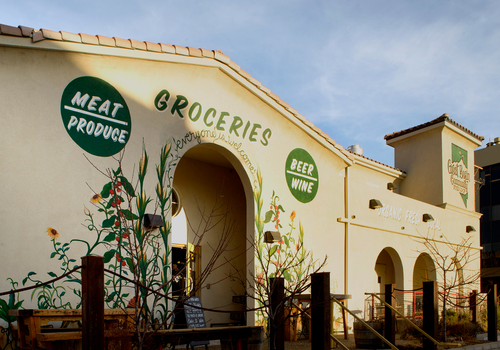
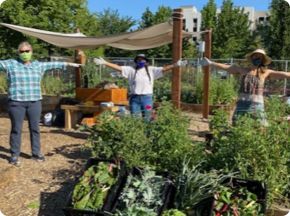
Did you know that the "landscaping" outside of the co-op is 100% edible? When we moved into our building, we didn't want to use precious water in Northern NV for lawns, non-native plants, or filler shrubs. We wanted to use it for food and herbs.
Each Friday, a group of co-op member-owners meets for 2 hours to help with planting, weeding, and harvesting. They trade the co-op for an ongoing 15% discount and food credit funds to spend in-store.


Local Producer Subsidy Program (LPSP)
The Local Producer Subsidy Program is an idea we've been talking about for nearly 10 years - what if farmers and ranchers could receive integrity pricing (not corporate pennies-on-the-dollar exchange rates small producers are offered these days by larger grocery stores)... and what if we could also offer these goods at more affordable prices back to our community?
All 2026 Round Up at the register donations go to the Local Producer Subsidy Program (LPSP)! LPSP kicked off in February with $8.49/lb grass-fed & finished ground beef from Avanzino Farms (Reno, NV). In addition to $5.99 ORGANIC & LOCAL bagged greens from Prema Farm (Bordertown, NV) and Sierra Valley Farm (Sierra Valley, CA). Keep your eyes peeled in the produce department for more LPSP local food deals!

We were the first co-op to coin the term “Round Up at the register” back in 2015. We wanted to reclaim the words “Round Up” from Monsanto Corp (the name of their famous glyphosate herbicide) and instead put this change at the register towards the local farmers, the healers of the land, rather than the destroyers of the land. Since then, almost every co-op in the nation has adopted the same Round Up terminology. That very year, the ever-so-talented Dane Haman @hamanhomerepairs made us this quintessentially NEVADA Round Up logo for our program.
Donate To The Local Producer Subsidy Program (LPSP)
Do you want to help our local farmers and ranchers receive INTEGRITY PRICING while expanding access to affordable local food for more of our community members? If yes, then donate now! All 2026 donations will go towards our NEW Local Producer Subsidy Program (LPSP).
Friends of the Foodshed is a 501(c)(3) that has been preserving the work of Farmers and Ranchers in Northern Nevada and connected watersheds for over 20 years. We are dedicated to providing education about health and environmental issues and to promoting a healthy lifestyle for all living things. ❤️
Donate to Friends of the Foodshed


Anyone can shop, everyone can join!
Open everyday from 7:30am – 9pm
Great Basin Community Food Co-op
240 Court St Reno, NV 89501
775.324.6133
info@greatbasinfood.coop
Want to change how you receive these emails?
You can or